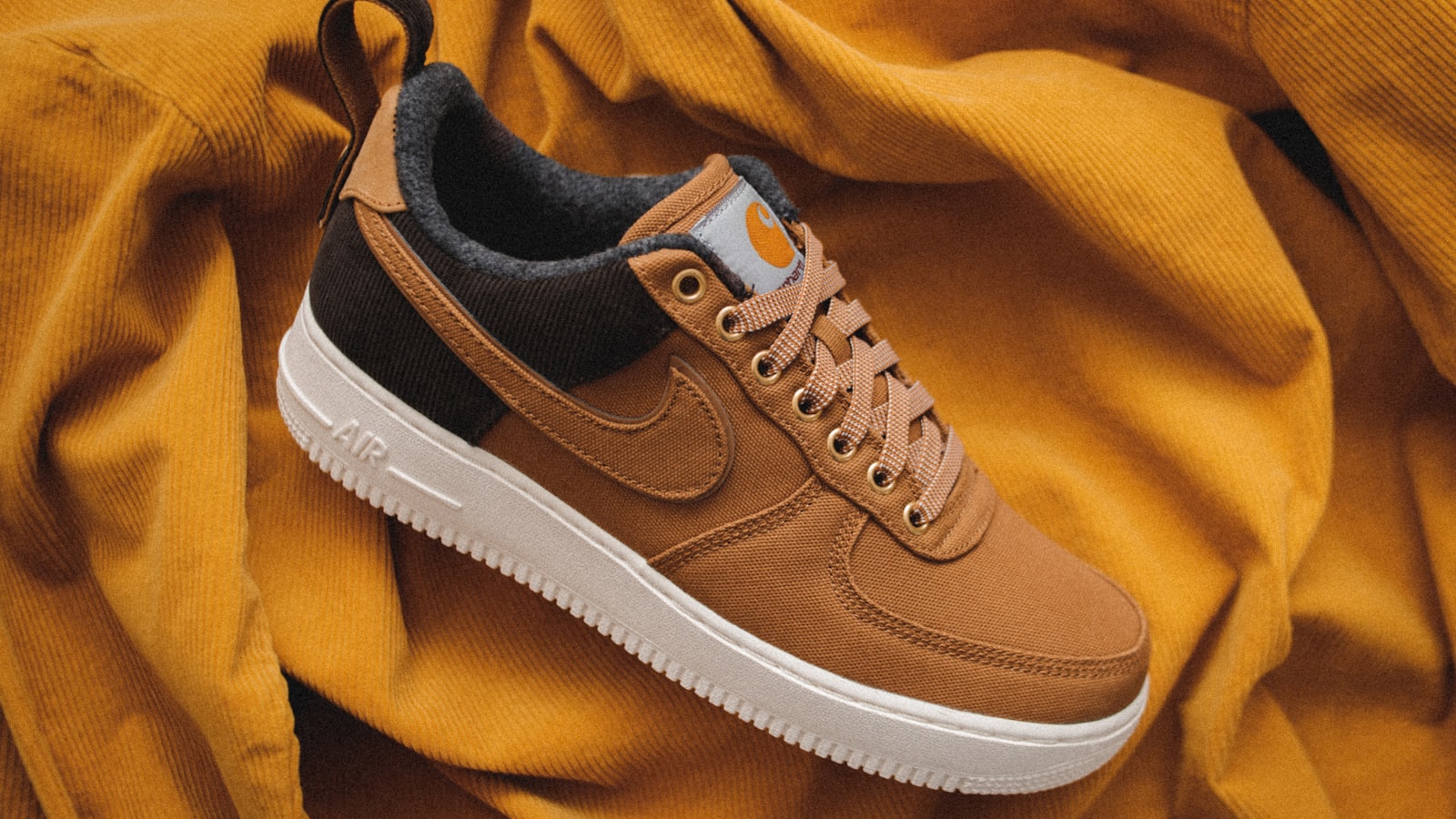
Shoes get less attention than they deserve when people build a wardrobe. They're often an afterthought, bought for one event and then forgotten in a box. But shoes finish an outfit, and the wrong ones can undo an otherwise good look while the right ones quietly make everything work. A small, well-chosen collection does far more than a big scattered one.
The goal here isn't to own a shoe for every possible situation. It's the opposite: a handful of versatile pairs that go with most of what you wear and cover most of what you do. Get that core right and you'll reach for the same trusted pairs again and again, which is exactly what you want.
Fewer pairs, chosen well#
It's easy to accumulate shoes the way people accumulate clothes — one bought for a wedding, one for a trip, one on impulse in a sale — until you own a lot of footwear and wear three pairs. That pile isn't versatility; it's clutter with a receipt. A better approach is to own fewer pairs and choose each one to work hard across your week.
Think in terms of the jobs your life actually asks of your feet. For most people, that's a comfortable everyday pair, one slightly smarter pair, and something for weather or activity. Three or four well-chosen pairs cover a surprising amount of ground, and they belong right alongside the wardrobe basics worth owning as core pieces, not extras.
There's a quiet cost to owning too many shoes, beyond the money. Each extra pair is one more thing to store, keep track of, and choose between, and the ones you don't wear only make the ones you do harder to reach. Paring down to the pairs that genuinely earn their place makes the whole rack easier to use, the same way editing does with clothes.
Buy shoes to fill a real, recurring need rather than a rare hypothetical one. The "just in case" pair for an event you attend once a year can usually be handled a different way when it comes up, without living in your closet the other fifty-one weeks.
Neutrals and simple shapes win#
If you want shoes that go with everything, color and shape do most of the work. Neutral colors and clean, unfussy shapes pair with the widest range of outfits, which is precisely what makes a shoe versatile.
Lean on colors that sit easily with the rest of your wardrobe:
- White or off-white sneakers, which pair with almost any casual outfit
- Brown or tan leather, which works with a huge range of colors
- Black, for smarter looks and anything that leans darker
- Neutral tones generally over loud colors and busy patterns
Shape matters as much as color. A clean, simple silhouette slips into more outfits than a heavily branded or elaborately detailed one, because there's less to clash. Sticking to your wardrobe's neutral base pays off here — shoes in those tones disappear into outfits in the best way, letting the rest of the look lead.
Materials play into versatility as well. Leather and good synthetics tend to look tidy across more settings than very casual fabrics like canvas, which lean firmly relaxed. That doesn't make canvas wrong — a white canvas sneaker is a summer workhorse — it's just worth knowing when you're picking the one or two pairs meant to stretch across the most outfits.
Bold, distinctive shoes can be great, and there's room for a pair you love that only goes with one thing. Just don't let those be your only shoes. Build the versatile core first, then add personality.
Comfort is non-negotiable#
Here's the part it's tempting to skip: a shoe you can't comfortably wear is not a good shoe, however sharp it looks on the shelf. You spend hours a day on your feet, and shoes that pinch, rub, or ache get quietly abandoned no matter how much they cost. Comfort isn't a compromise on style; it's what lets you actually wear the style.
Try shoes on properly before you commit. Walk around in them, ideally later in the day when feet are a little larger, and pay attention to width as well as length — many fit problems are about width, not size. Give a new pair a short break-in, but know the difference between "stiff at first" and "wrong for my foot." Genuine discomfort rarely improves enough to matter.
Socks are part of the fit, oddly enough. Trying shoes on with the kind of socks you'll actually wear them with — thin, thick, or none — tells you far more than testing with whatever you happened to have on. A shoe that fits perfectly over gym socks can pinch with thin dress socks, and the other way around, so match the test to real life.
Fit and comfort are a big part of feeling good in what you wear generally, which ties into how to dress for your body with confidence. Aching feet show in how you move and carry yourself; comfortable ones let you forget your shoes entirely and just get on with the day. That ease is worth more than any detail you'd trade it for.
Match your shoes to your real life#
The most versatile shoe collection is the one built around your actual days, not an imagined lifestyle. Someone who spends their days on their feet outdoors needs a very different core than someone mostly indoors or in meetings, and copying a list made for a different life is how closets fill up with unworn pairs.
Look honestly at how you really spend your time. What do you do most days, what does the weather where you live demand, and what kinds of occasions genuinely come up for you? Build your shoe core around those honest answers first, and treat anything beyond them as a considered extra rather than a default. A pair that suits a life you don't lead is just money sitting in a box.
Weather deserves an honest look, since it quietly rules how often a pair gets worn. A shoe that can't handle the rain where you live, or that's too warm for your summers, will sit unused however good it looks on the shelf. Choosing for your actual climate, not an idealized one, is how you end up with shoes you reach for instead of shoes you merely own.
When you do find shoes that work — comfortable, versatile, in your colors — take care of them so they last, and don't be shy about repeating a winner when they wear out. A great everyday pair is hard enough to find that buying the same again is smart, not unadventurous.
Choose shoes the way you'd choose any basic: a few versatile pairs, in neutral colors and simple shapes, comfortable enough to wear all day, matched to the life you actually live. Do that and your feet are covered for nearly everything, with far less clutter and far less thought each morning. That's what good basics are supposed to do — quietly make the rest easy.