Basics are the plain, hardworking pieces that most of your outfits are secretly built on. They aren't flashy, and they're rarely the thing people compliment first, but they're what everything else hangs off. Get your basics right and the rest of dressing gets a lot easier.
The trap is treating "basics" like a shopping checklist to complete as fast as possible. A drawer full of mediocre plain tees isn't a wardrobe foundation. What you're really after is a small number of versatile pieces that fit you well and share a color family, so they mix without any effort. Here's what tends to earn its place, and why.
A few good plain tops#
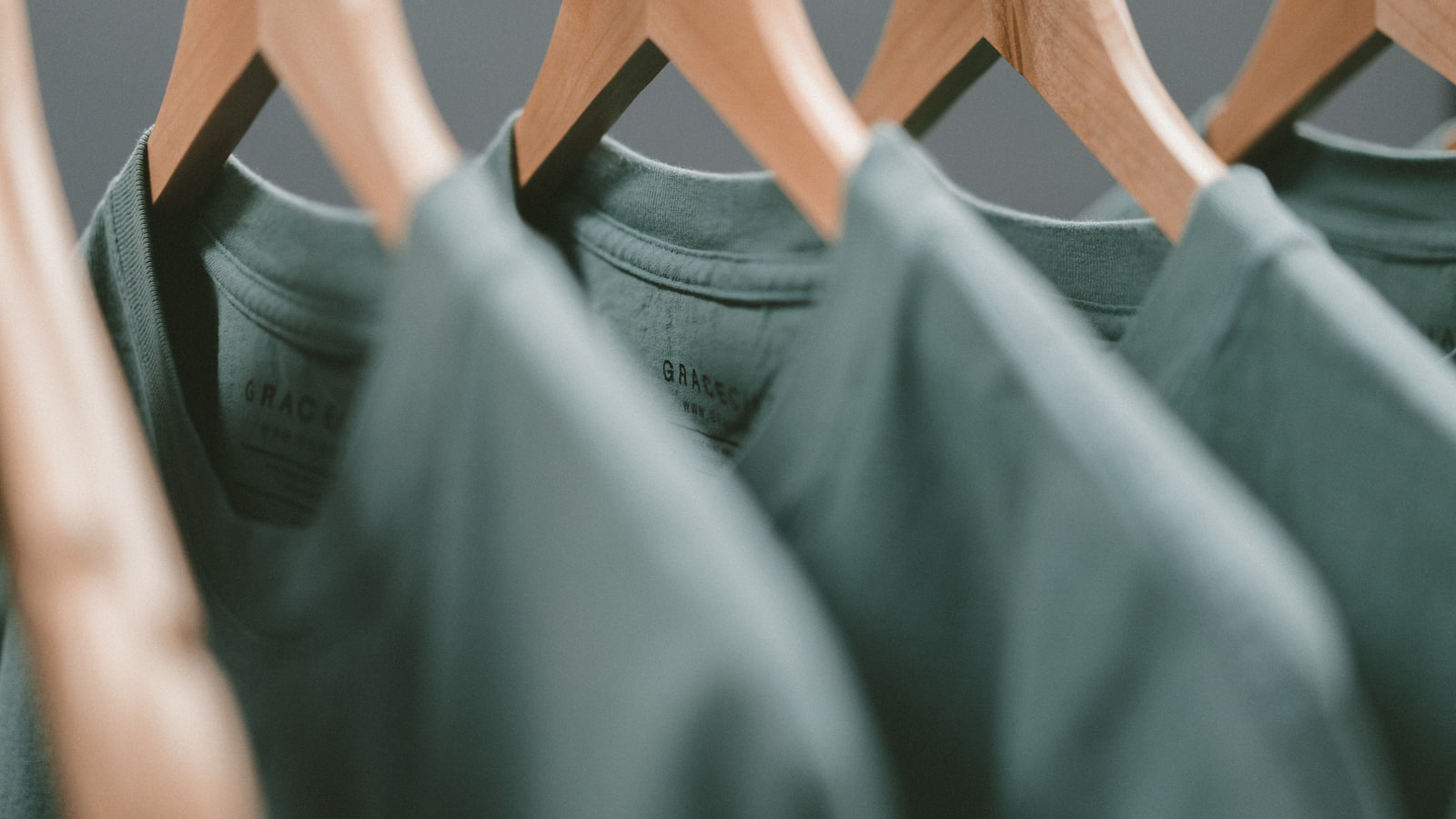
Start with tops, because you wear them most and they set the tone for everything above the waist. A small stack of plain t-shirts and a couple of long-sleeve or button-up options in neutral colors will carry you through most days. The word doing the heavy lifting there is "plain" — no loud graphics, no fussy details, nothing that ties the shirt to one specific outfit.
Fit is where a plain top either works or doesn't. The shoulder seam should sit roughly where your shoulder ends, the body shouldn't cling or drown you, and the length should let you move and reach without everything riding up. A tee that fits is worth three that almost fit. When you find a cut and brand that sits right on you, it's completely reasonable to buy another in a second neutral rather than gamble on something new.
Fabric quietly decides how long a plain top lasts and how it feels to wear. A slightly heavier cotton tends to hold its shape and survive the wash better than a thin, papery one that goes see-through after a month. You don't need anything fancy — just enough weight that the shirt still looks like itself after you've actually worn and washed it a few dozen times.
Stick to colors that live in the same family as the rest of your wardrobe. White, grey, navy, and black do an enormous amount of quiet work, and an earth tone or two adds range without breaking the harmony.
Bottoms that fit and go with everything#
You need fewer bottoms than tops, which is good, because bottoms are where fit is hardest and most worth the effort. A couple of pairs of well-fitting trousers or jeans in versatile colors will anchor most of your outfits. Aim for shades that pair with nearly all your tops — mid or dark denim, navy, grey, olive, and a warm neutral like tan or brown.
Denim deserves special attention because it's the piece people wear most and fit worst. If your jeans are a constant low-grade annoyance, that's a problem worth solving properly; I go through the whole process in how to find jeans that actually fit. The same logic applies to any trousers: comfortable when you sit, clean through the leg, and hemmed to a length that works with your shoes.
It's also worth owning your bottoms across a small range of formality. One pair that leans casual, one that can pass at work or a nicer dinner, and you're covered for most of what a week throws at you without a rail of trousers you rarely touch. The narrower the range, the more each pair actually earns its keep.
Two or three bottoms that genuinely fit will beat a rail of trousers you tolerate. Quality here also pays back in durability, since bottoms take the most stress from wear and washing.
Layers that do the heavy lifting#
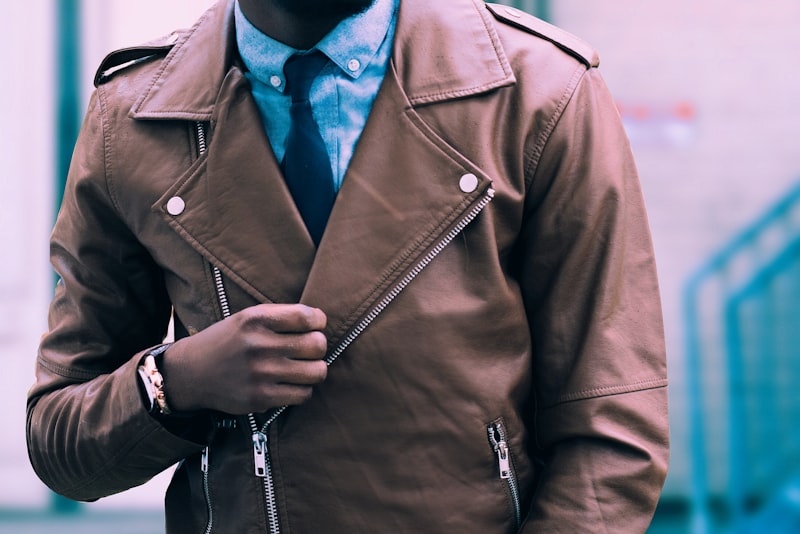
Layers are what make a small wardrobe feel deep. The same shirt reads completely differently under a cardigan, an overshirt, a blazer, or a denim jacket, so a couple of good layers effectively multiply the outfits you already have.
Prioritize layers you'll reach for across seasons:
- A versatile jacket in a neutral color that suits your day-to-day life
- A knit — a crewneck or cardigan — for warmth without bulk
- A lighter overshirt or shirt-jacket for the in-between weather
- One smarter layer, like a blazer, for when you need to look pulled together
A layer is only worth owning if it works over the tops you already have. Try it on with two or three of your real shirts before you commit, not with the store's styling.
You don't need all of these at once. Pick the one or two that match your climate and your week, and add the rest slowly as gaps appear.
Shoes and the small stuff#
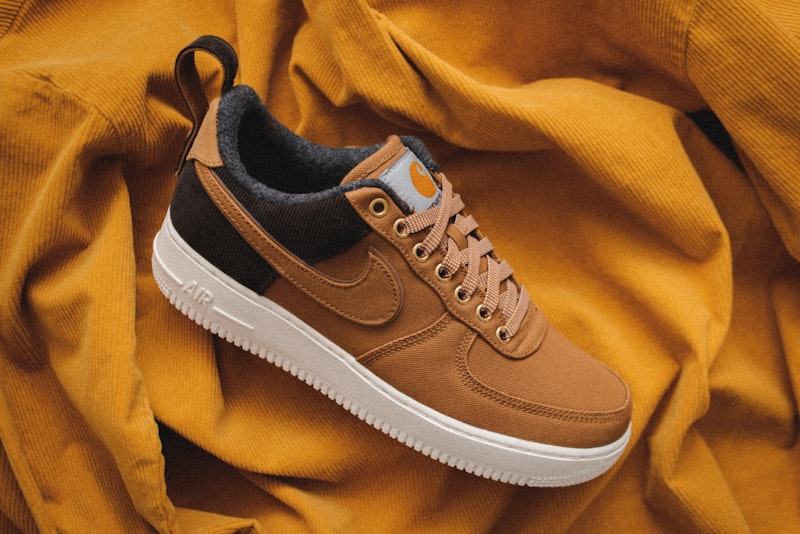
Shoes finish an outfit and quietly signal how much thought went into it, so a couple of versatile pairs are worth more than a closet full of single-use ones. One comfortable everyday pair and one slightly smarter pair will cover most of what real life asks of you. Keep them in colors that sit with your wardrobe, and they'll go with far more than you'd guess.
The small accessories matter more than their size suggests. A good belt, a couple of neutral pairs of socks that actually match, and one bag that suits your days will tie outfits together without any effort. These are cheap places to get real returns, so it's worth choosing them with the same care as the bigger pieces.
Resist the urge to accessorize your way to a personality. A few well-chosen small pieces beat a drawer of novelty ones you never reach for.
Make the list yours#
Every "basics" list, including this one, is a starting point, not a prescription. Your life decides which basics actually matter. Someone on their feet outdoors all day needs different foundations than someone in meetings, and neither is more correct. Read any essentials guide as a menu, take what fits your days, and skip the rest without guilt.
There's no shame in a short list, either. If four tops, two bottoms, a couple of layers, and two pairs of shoes cover your life, you don't need more to prove anything. A wardrobe is judged by how well it dresses you, not by how full the rail looks. Owning less and wearing all of it is a quiet kind of luxury.
The real skill isn't owning the full set — it's owning the right small set for you, in colors that agree with each other, in sizes that fit the body you have now. That's what turns a pile of plain clothes into a wardrobe that quietly works. If you want to see how these pieces snap together into a complete, low-effort closet, that's exactly what how to build a capsule wardrobe from scratch is built to walk you through.
Start with the tops and bottoms you wear most, get their fit right, and add layers and shoes as you go. Do that and you'll find that a short, honest list of basics stretches much further than a long one ever did.