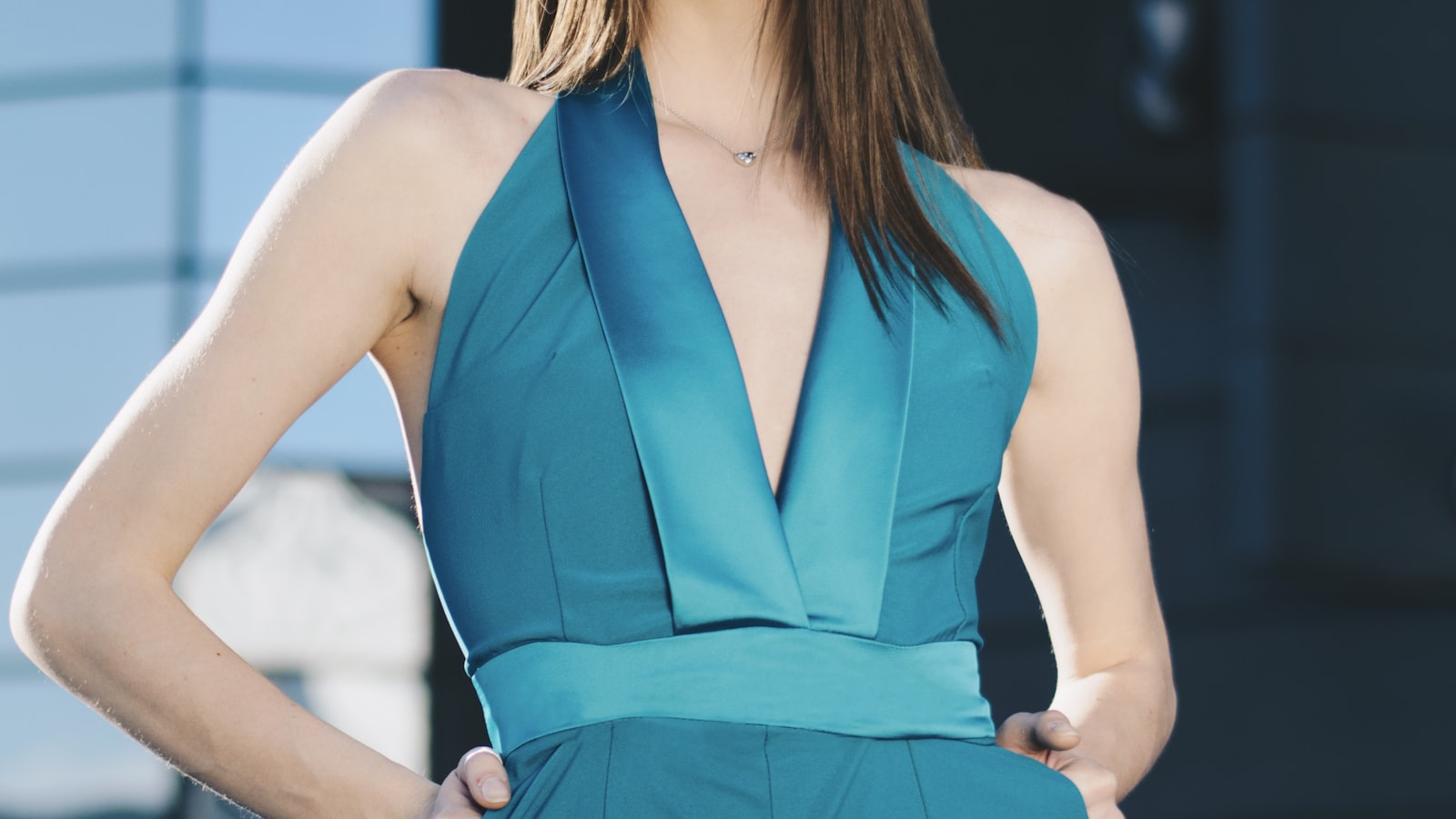
The most useful outfit in your closet isn't the fanciest one — it's the one you can wear five different ways. A base you can dress up for something special or down for a lazy Saturday quietly does the work of several outfits, which means fewer clothes, less decision-making, and more genuine mileage from what you own.
Learning to shift a look up or down is one of the highest-value skills in getting dressed. It's mostly about knowing which small changes carry the most weight, so you can move an outfit along the formality scale without starting over. A handful of swaps is usually all it takes.
Every outfit sits somewhere on a rough scale from very casual to very dressed-up, and most pieces in your closet have a natural home on that scale. Sneakers and a soft cotton tee live at the relaxed end; leather shoes and a crisp shirt live at the sharper end. Dressing up or down is just nudging an outfit toward one end by swapping in pieces from that side.
What makes this practical is that you rarely have to change everything. A single garment can pull the whole outfit in one direction, because the eye reads the overall impression, not each item in isolation. Change the loudest signal and the outfit follows.
The signals that carry the most weight are, in rough order: shoes, then your outermost layer, then fabric and fit, then accessories. Learn that order and you'll know exactly where to spend your effort when you need to shift a look fast.
Start with the shoes#
Shoes are the single fastest way to move an outfit up or down, which is why they're the first thing to change. The same jeans and shirt become weekend-casual over white sneakers and evening-ready over sleek boots or heels. Nothing else in the outfit changes — the shoes reset the entire tone.
Because they're such a strong lever, it's worth choosing footwear that can bridge more than one setting. A clean pair of leather sneakers or simple ankle boots sits comfortably in the middle of the scale, ready to lean either way. When you're building a flexible base, start by picking a shoe that doesn't lock you into a single mood.
If you like assembling looks around dependable structures, this pairs well with easy outfit formulas for getting dressed fast — a good formula plus one shoe swap already covers two occasions.
Change one layer#
After shoes, your outermost layer does the most to set formality. The same base — say, a top and trousers — reads very differently depending on what you put over it. Swapping layers is fast, requires no re-planning, and instantly repositions the whole outfit:
- A blazer or structured jacket pushes an outfit dressier and more pulled-together.
- A soft cardigan or denim jacket pulls it toward relaxed and easygoing.
- No layer at all sits somewhere in between, letting the base speak for itself.
- A trench or overcoat adds polish without much effort in cooler weather.
Keep one dressier layer and one casual layer that both work over your usual bases, and you've effectively doubled the range of every outfit you own. This is one of the cheapest ways to get more from a small wardrobe.
Layers also give you room to adjust once you're already out. If a lunch turns into an evening plan, shedding a casual jacket or slipping on a blazer you brought along resets the outfit without a trip home. A few people keep a neutral layer in a bag or at the office for exactly this reason — a single dependable piece that quietly rescues an outfit that suddenly needs to be a notch dressier than the day started out.
Let fabric and fit do quiet work#
Beyond the obvious swaps, the character of the fabric and the neatness of the fit quietly signal where an outfit belongs. Crisp, smooth, structured fabrics read as more formal; soft, textured, relaxed ones read as casual. The same is true of fit — tidy and tailored leans dressy, loose and easy leans laid-back.
Tucking in a shirt, adding a belt, or simply ironing what you're wearing can move an outfit up a notch without changing a single garment. Neatness reads as effort, and effort reads as dressed-up.
You can use this deliberately. To dress a look up without new pieces, choose your crispest version of each item and tidy the lines. To dress it down, reach for softer textures and let the fit relax. Proportion and neatness work together here — a well-balanced shape reads as considered at either end of the scale, whichever way you're pushing the outfit.
Grooming and small habits feed into this too, even though they aren't clothes. Clean shoes, a bag that isn't overstuffed, and pieces free of visible wrinkles all push an outfit toward the dressier end without any swap at all. None of it requires money or the "right" body — it's care and attention, which anyone can bring to what they already own. Often the gap between casual and polished is nothing more than the few minutes you spend tidying what you're about to wear.
Finish with the details#
The smallest changes come last but still count. Jewelry, bags, and other accessories fine-tune where an outfit lands once the big pieces are set. Delicate or polished pieces nudge a look dressier; chunky, playful, or casual ones keep it relaxed. Even a change of bag — a structured one versus a soft tote — shifts the impression.
Because accessories are low-commitment, they're perfect for the final adjustment when you're almost there but not quite. For a fuller breakdown of choosing the few that matter, how to accessorize an outfit simply covers how a couple of well-chosen pieces do more than a pile of extras. Add or remove one detail and you've made your last move on the scale.
Building a base that flexes#
The real payoff comes from choosing base outfits with this flexibility built in. When you put together a combination that suits your body and you love, ask whether it can flex both ways — whether a shoe change and a layer swap could take it from errands to a dinner. The ones that can are the outfits worth leaning on, and they belong to every body and every budget.
Try it as an experiment this week. Take one outfit you already wear and see how far you can push it in each direction using only shoes, a layer, fabric choice, and details. You'll likely find it stretches further than you expected — and once you trust that, you stop needing a separate outfit for every occasion and start getting far more from the clothes already in your closet.