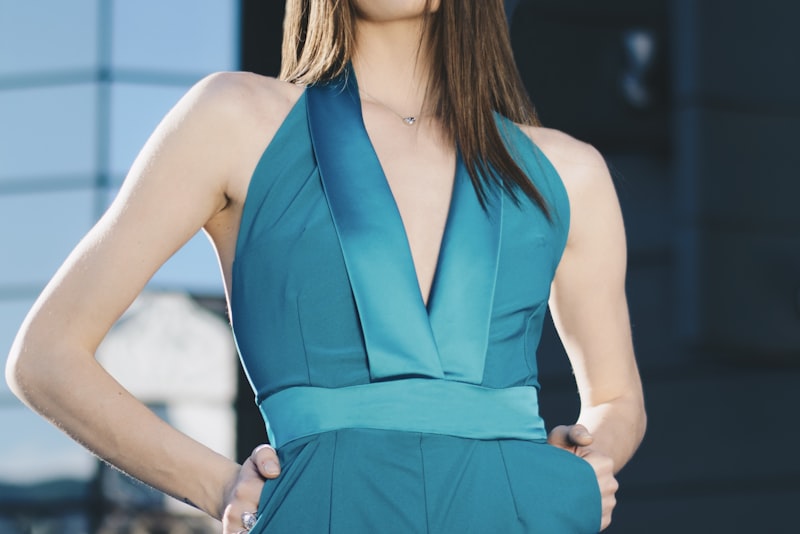
Accessories are the finishing touches that make an outfit feel complete — the shoes, the bag, the belt, the jewelry, the scarf. They're also where people most often overdo it, adding piece after piece until a good outfit turns busy. The skill isn't owning a lot. It's choosing a few things that actually pull a look together.
The best-accessorized outfits usually look effortless because restraint is doing the work. A single considered detail reads as intentional, while five competing ones read as clutter. Once you understand which accessories carry the most weight and how to let one lead, finishing an outfit becomes quick and genuinely enjoyable.
Let one piece lead#
The most useful habit in accessorizing is to pick one focal point and let everything else support it. A statement necklace, a bold bag, a great pair of shoes, an interesting scarf — choose one thing to draw the eye, then keep the rest quiet. When several accessories all shout at once, none of them wins, and the outfit feels louder than you intended.
This doesn't mean you can only wear one accessory. It means one should clearly be the star while the others play backup. A bright bag with simple stud earrings and a plain belt lets the bag shine. Swap in a bold necklace and the bag should probably step back. Deciding your focal point first makes every other choice easier.
There's freedom in this restraint. Once you trust that one strong piece is enough, you stop feeling you have to fill every possible spot, and getting ready gets faster and calmer.
Start with shoes and bag#
Shoes and bag are the accessories that set the overall tone, so it's worth choosing them with intention before the smaller details. They're large, they're seen immediately, and they signal how formal or casual the whole outfit is. Get these two working with your outfit and the rest is fine-tuning.
Because they carry so much weight, shoes and bag are also the accessories that can shift an outfit's whole character. The same dress reads differently with sandals and a straw tote than with heels and a structured clutch. If you want to use that lever deliberately, how to dress one outfit up or down covers how footwear and bag move a look along the formality scale — accessorizing and dressing up or down are really the same skill seen from two angles.
You don't need a large collection. A couple of versatile shoe options and one or two bags that go with most of your wardrobe will accessorize the majority of your outfits without any strain.
When you're choosing these bigger pieces, neutral and simple beats trendy and specific if you want them to work hard. A bag in a color that sits near the rest of your wardrobe, or shoes in a shade that disappears into most outfits, will finish far more looks than a bold, memorable pair you can only wear with one thing. Save the statement versions for when you already own the dependable ones, so your everyday outfits are never left without a shoe or bag that simply works.
Use small details to tie things together#
The smaller accessories — jewelry, belts, scarves, socks, a watch — are where you connect an outfit and add a bit of personality. Their real power is echoing something already in the look, which makes the whole thing feel cohesive. A belt that picks up the color of your shoes, or earrings that nod to a color in your top, quietly signals that everything was chosen together.
- A belt to define the waist and link top to bottom
- One piece of jewelry that repeats a color already in the outfit
- A scarf to add color, texture, or warmth near the face
- A watch or simple bracelet as an easy everyday finish
You don't have to match these exactly. Loosely echoing a color across an outfit looks more relaxed than matching it precisely, and it's far more forgiving. If color coordination is where you get stuck, how to mix colors in an outfit breaks down keeping a palette calm so your accessories tie a look together instead of fighting it.
Know when to stop#
The old advice to remove one accessory before you leave the house endures because it works surprisingly often. It's easy to add one more thing, then another, until the outfit tips from finished into fussy. Building in a moment to edit — a last look in the mirror where you take something off rather than add it — keeps you on the right side of that line.
Get dressed, then take one thing away. The outfit you're left with is almost always cleaner and more confident than the one you started with.
This is a guideline, not a law. Some looks are meant to be maximal, layered with jewelry and pattern and joyful excess, and when that's the intention it can look wonderful. The edit simply protects you from the accidental version, where pieces pile up without a plan. Deliberate is the goal, at either extreme.
Choose accessories for your real life#
An accessory only works if it fits the day you're actually having. Delicate jewelry you have to worry about, a bag too small for what you carry, or shoes you can't walk in will quietly undermine an outfit no matter how good they look. The most stylish accessories are the ones that suit your body, your comfort, and your routine, so they add ease rather than another thing to manage.
Think about practicality as part of the choice, not the enemy of it. A bag that holds your things, shoes that carry you through the day, and jewelry you can forget you're wearing all let you enjoy the outfit instead of babysitting it. Style and function aren't opposites here — the accessory that works is usually the one that looks right too.
A small, well-used collection#
You don't need a drawer overflowing with accessories to finish your outfits well. A handful of versatile pieces you genuinely reach for will do more than a large collection you rarely touch. Build slowly toward things that go with much of what you own, suit your taste, and hold up to real use, and you'll never be short of a good finishing touch.
Try paring back rather than adding. Look at what you already own, keep the accessories that pull outfits together and feel like you, and let the rest go. What remains is a small, dependable kit that finishes any look in seconds — proof that with accessories, as with much of getting dressed, a little chosen well beats a lot chosen carelessly.