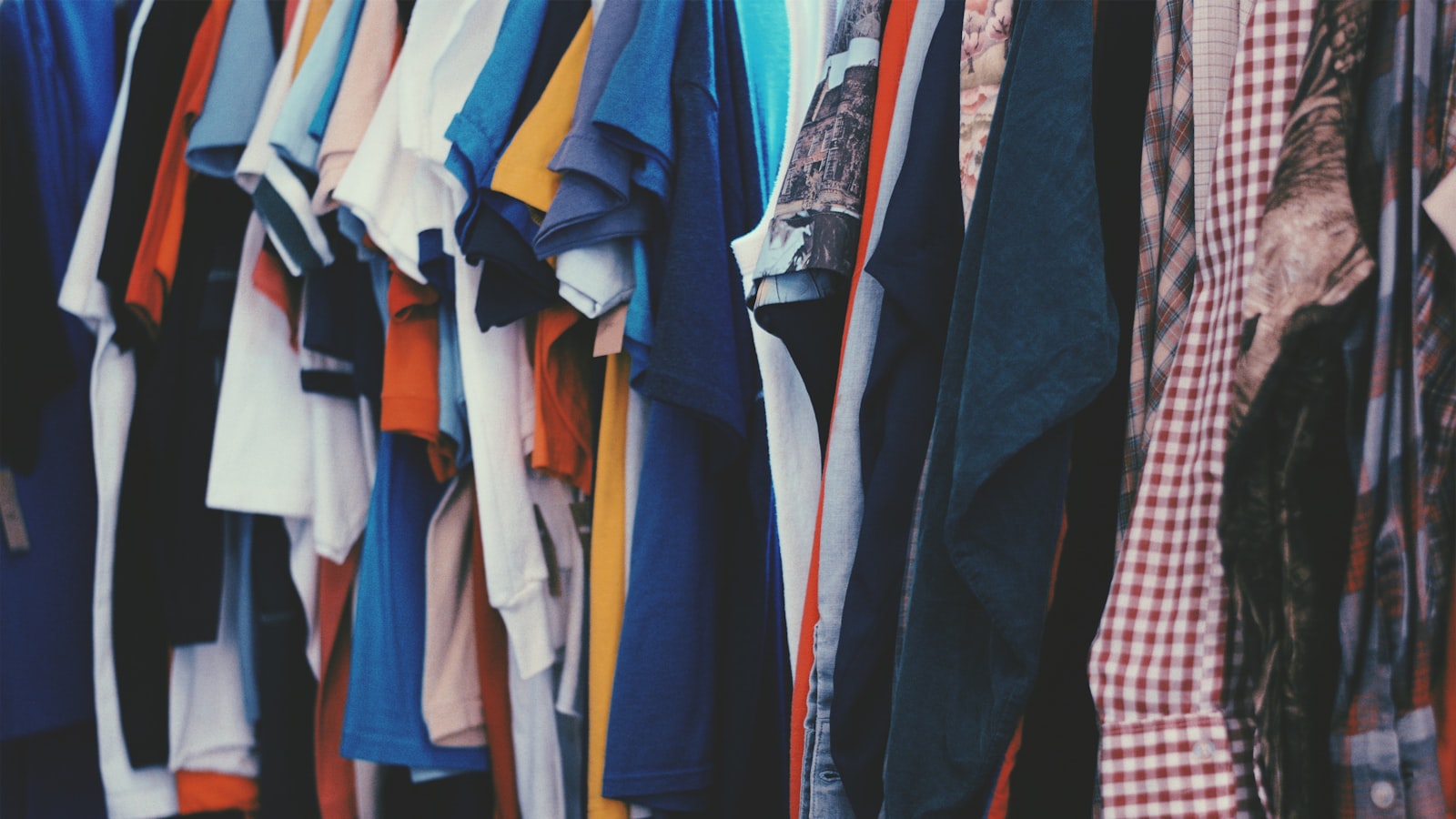
The first time I found a beautifully made wool coat in a charity shop for the price of a coffee, I was hooked. It had a proper lining, real horn buttons, and the kind of heavy cloth you rarely see on the high street anymore. Someone had loved it, worn it, and passed it on, and now it was mine for almost nothing.
Shopping secondhand is one of the best ways to dress well for less, but it rewards a slightly different approach than buying new. The stock is unpredictable, the sizing is all over the place, and there are usually no returns. Once you learn the rhythm of it, though, thrifting turns from a gamble into a reliable source of pieces you'll genuinely treasure. Here's how to do it well.
Know why secondhand is worth it#
Beyond the obvious savings, secondhand shopping gives you access to quality that's hard to find new at the same price. Older garments were often made with heavier fabrics, sturdier construction, and details that have quietly disappeared from budget clothing. A pre-loved piece from a good era can outlast several new ones.
There's variety, too. Instead of the same few styles every shop is pushing this season, you get decades of design mixed together on one rail. That makes it easier to build a wardrobe that looks like you rather than like everyone else. And of course, buying used keeps clothes in circulation and out of landfill, which is a quiet bonus on top of the savings and the style.
The trade-off is effort. You can't walk in with a specific item in mind and expect to find it in your size. Secondhand rewards browsing, patience, and a willingness to come back another day. If you enjoy the treasure hunt, that's a feature rather than a bug.
Choose the right places to look#
Not all secondhand sources are the same, and knowing what each offers saves you time. Different shops suit different goals, moods, and budgets.
- Charity and thrift shops: the cheapest option, with the widest range of quality; best for patient browsing
- Vintage boutiques: curated and pricier, but the hard work of finding gems is done for you
- Consignment shops: often carry higher-end and designer pieces in good condition
- Online resale apps and marketplaces: huge selection and searchable, but you can't touch before buying
- Car boot and flea markets: unpredictable and cheap, and the best place to haggle
If you're after specific brands or sizes, online resale lets you search directly, which physical shops never can. If you'd rather stumble on surprises, nothing beats an afternoon working through the rails of a good charity shop. A mix of both keeps things interesting and covers more ground.
Inspect everything before you buy#
This is the part that separates a bargain from a mistake. Secondhand clothes have already lived a life, so you need to check their condition carefully, because there's usually no returning them if you get home and spot a flaw.
Take each candidate somewhere with good light and go over it properly. Check the armpits and collar for staining or yellowing, since those areas show wear first and rarely come clean. Look at high-friction spots like elbows, knees, cuffs, and the seat of trousers for thinning fabric or pilling. Hold the garment up to the light to spot moth holes in wool and knitwear, which are easy to miss on a crowded rail.
Assume nothing hides. Check zips, buttons, and seams as if you're trying to talk yourself out of the purchase. A small flaw you can live with is fine, as long as you noticed it before you paid, not after.
Test the working parts. Run zips up and down, do up buttons, and give the seams a gentle tug. Many of the same signals that reveal quality in a new garment apply here too, so it's worth knowing how to spot quality clothing before you buy before you dive into the rails. A minor issue like a missing button or a loose hem can be an easy fix and a bargaining chip, but a stretched-out neckline or a stubborn stain usually isn't worth it.
Handle sizing the smart way#
Vintage and secondhand sizing is genuinely unreliable. Sizes have drifted over the decades, labels shrink or fall out, and a garment may have been altered by a previous owner. The number on the tag means very little, so don't trust it.
Whenever you can, try things on. If there's no fitting room, which is common in smaller shops, learn to check by holding garments against your body, wrapping waistbands around your neck as a rough waist gauge, and comparing lengths against clothes you already own well. For online resale, insist on actual measurements rather than a stated size, and measure a favourite garment at home so you have real numbers to compare against.
Keep alterations in mind as an option, not an obstacle. A piece that's too long, too loose, or missing a button can often be fixed cheaply, and a good tailor can make a secondhand find fit better than most new clothes ever would. Just be realistic about what's fixable. Taking something in or shortening it is straightforward, while letting it out or reshaping the shoulders usually isn't.
Shop with a plan, and a clear head#
The chaos of secondhand shopping makes it easy to overbuy, grabbing things simply because they're cheap. A five-pound impulse still adds up, and still clutters your wardrobe with pieces you don't wear. Go in with a rough idea of what you're looking for and a willingness to leave empty-handed.
That said, stay open to the unexpected, because the whole joy of thrifting is the piece you never knew you wanted. The balance is to buy things you'll genuinely wear, at prices that make sense, rather than everything that's a technical bargain. A low price is only a saving if you'd have wanted the item anyway, the same logic that helps you judge how to tell if a sale is actually worth it on the high street.
Timing helps as well. Charity shops in wealthier areas tend to have better stock, and many rotate their rails early in the week after weekend donations. Going regularly beats going rarely, since the stock is always changing and the best finds go fast.
Make the hunt part of the fun#
Secondhand shopping is a skill that improves every time you do it. Your eye gets faster at scanning a rail, your instinct for quality sharpens, and you start recognising good fabrics and eras at a glance. What felt like a lucky fluke at first becomes something you can do reliably.
Treat it as a relaxed pastime rather than a chore with a shopping list. Give yourself time, expect some visits to turn up nothing, and enjoy the occasional afternoon when everything clicks and you walk out with a coat worth ten times what you paid. Dress well, spend less, and have a good time doing it, that's the whole appeal of buying pre-loved.