Layering is what lets one wardrobe stretch across seasons, adds depth to a plain outfit, and keeps you comfortable when the temperature can't make up its mind. Done carelessly, though, it can leave you looking like you got dressed in the dark and grabbed everything at once. The difference between the two is method, not luck.
The fear that layering equals bulk is understandable but usually misplaced. Bulk comes from thick fabrics piled without a plan, not from layering itself. With thin materials, a sensible order, and attention to fit, you can wear three or four pieces and still look streamlined. Here's how to keep the warmth and lose the padding.
Start thin, not thick#
The biggest mistake is reaching for heavy pieces first. Several thin layers trap warmth better than one bulky one, because the air between them does the insulating — and thin layers stack without turning you into a marshmallow. A fine-knit sweater over a light shirt over a thin tee keeps you warmer, and slimmer, than a single chunky jumper.
So when you plan an outfit for warmth, think in thin. Lightweight cotton, fine merino, thin flannel, and unlined jackets are your friends. Save the truly heavy pieces for the outermost layer or for days cold enough that bulk isn't a concern. This approach also flexes better through the day, because you can shed a thin layer indoors without being left in nothing.
Thin layers have a second advantage: they move with you. Bulky combinations restrict how you sit, reach, and walk, while slim layers let you actually live in the outfit. Comfort and a clean line tend to arrive together.
Fabric choice does a lot of quiet work at the base. Materials that are warm for their thickness — fine merino wool, thin technical knits, brushed cotton — give you the most heat for the least volume, which is exactly the trade you want when layering. It's worth knowing which of your pieces punch above their weight this way, because those are the ones that let you stack several layers and still look and feel light. A thin, genuinely warm base layer is one of the most useful things you can own for cold months.
Build from close to loose#
Layering has a natural order that keeps the silhouette clean: fitted underneath, looser on top. The piece against your skin should be the slimmest, with each layer above it a little roomier so it sits smoothly over the one below without straining or bunching. Reverse this — a tight sweater over a loose shirt — and you get lumps where the inner layer bunches up.
Picture it as a gentle taper outward. A close base layer, a slightly fuller mid layer, and an outer layer with room to close over everything. When the order is right, each piece has somewhere to go, and the whole stack lies flat instead of fighting itself.
This is really a proportion question in disguise, since every layer adds volume that the overall shape has to absorb. If your layered outfits feel off even when the order is right, getting proportion right in any outfit covers how to balance that added volume so one part doesn't overwhelm the rest.
Vary length and texture#
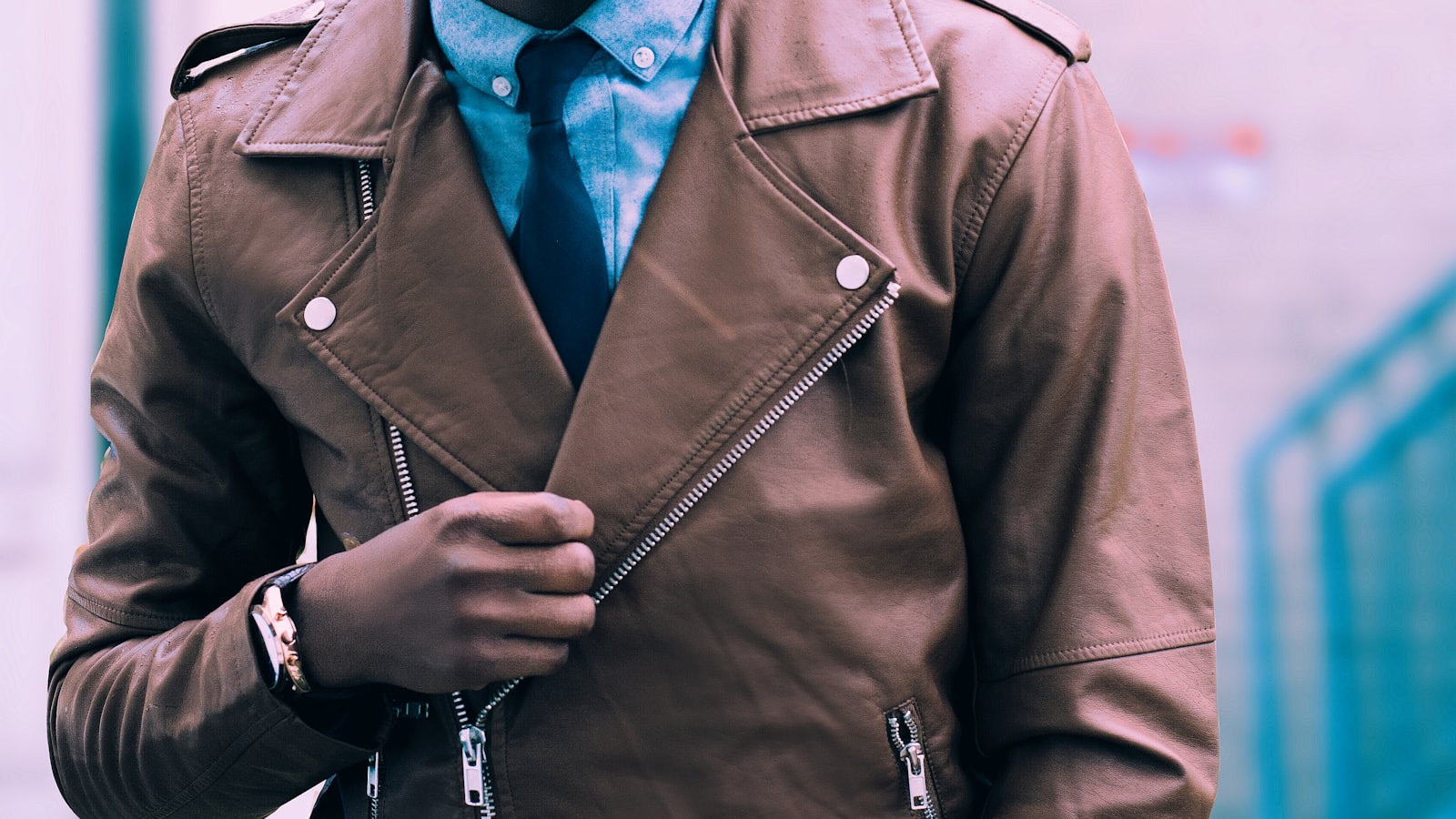
Layers look intentional — rather than accidental — when you can actually see them. If every piece is the same length, they hide behind each other and the effort is wasted. Staggering the hems lets each layer show a little and gives the outfit visible depth. A shirt peeking below a sweater, a longer coat over a shorter jacket: small reveals that make layering read as a choice.
Texture does the same job for the eye. Mixing a smooth shirt, a soft knit, and a sturdier jacket adds richness even in a single color, and it stops the outfit from looking flat. Try combinations like these:
- A crisp cotton shirt under a fine knit under a denim or canvas jacket
- A soft tee under an open flannel with a structured overshirt on top
- A slim rollneck under a blazer, with the collar just visible above
None of this depends on body size. Length and texture are relationships between garments, so they work whether you're tall or short, straight-sized or plus-sized. Layering is about arrangement, never about hiding any part of yourself.
Keep the outer layer in charge#
The outermost piece frames everything, so it should have enough room to close comfortably over the layers beneath without pulling. An outer layer that strains across the front broadcasts bulk no matter how thin the inner pieces are. If your jacket won't fasten over a sweater, the sweater is too thick for that combination, not the jacket too small.
Test the whole stack the way you'll wear it — sit down, reach forward, do the coat up. If any layer pulls or bunches when you move, thin one out before you leave.
Color helps the outer layer do its job too. A darker or more neutral top layer visually streamlines everything underneath, while keeping the brighter or more interesting pieces closer to the base. If you want to play with color across layers deliberately, how to mix colors in an outfit covers keeping a palette calm so the layering reads as considered rather than chaotic.
Layering in warmer weather#
Layering isn't only for the cold. In milder seasons, light layers add interest and give you options as the day heats up or cools down. An unbuttoned overshirt, a thin cardigan tied over the shoulders, or a light scarf brings the same depth without any real warmth, and all of them come off easily when the sun comes out.
The rules don't change: keep the fabrics thin, the order close-to-loose, and the lengths varied. A single well-chosen light layer over a simple base is often all it takes to turn a plain warm-weather outfit into something that looks put-together. Warm-season layering is less about temperature and more about shape and detail.
Making it second nature#
Good layering rewards a little planning and quickly becomes automatic. Start with thin pieces, stack them close to loose, stagger the lengths, mix the textures, and let the outer layer set the frame. Follow that and you can pile on warmth and interest while staying comfortable and streamlined — no bulk required.
Experiment on a low-stakes day. Build a three-layer outfit from thin pieces you already own, move around in it, and notice how much warmer and sharper it feels than one heavy garment. Once you've felt the difference, layering stops being something to fear and becomes one of the most useful tricks you have for getting more out of your clothes all year.